

Affordable Skincare Devices: Which Beauty Gadgets Offer Real Value?
Introduction
Beauty gadgets promise an at-home shortcut: light therapy, a firmer-looking face or a deeper cleanse. But the best buy isn’t necessarily the one with the boldest claims. It’s the skincare device that addresses a real need, has a plausible evidence base and fits easily into a routine.
A low price can hide costly replacement parts, poor durability or results that are hard to distinguish from those of a simple skincare routine. A more modest skincare device, on the other hand, may be worthwhile if it does one job safely and reliably.
There’s no single best choice for everyone. Each type of skincare device has different strengths, limitations and demands. When comparing skincare devices, start with the job you want the gadget to do.
Analysis of the contenders
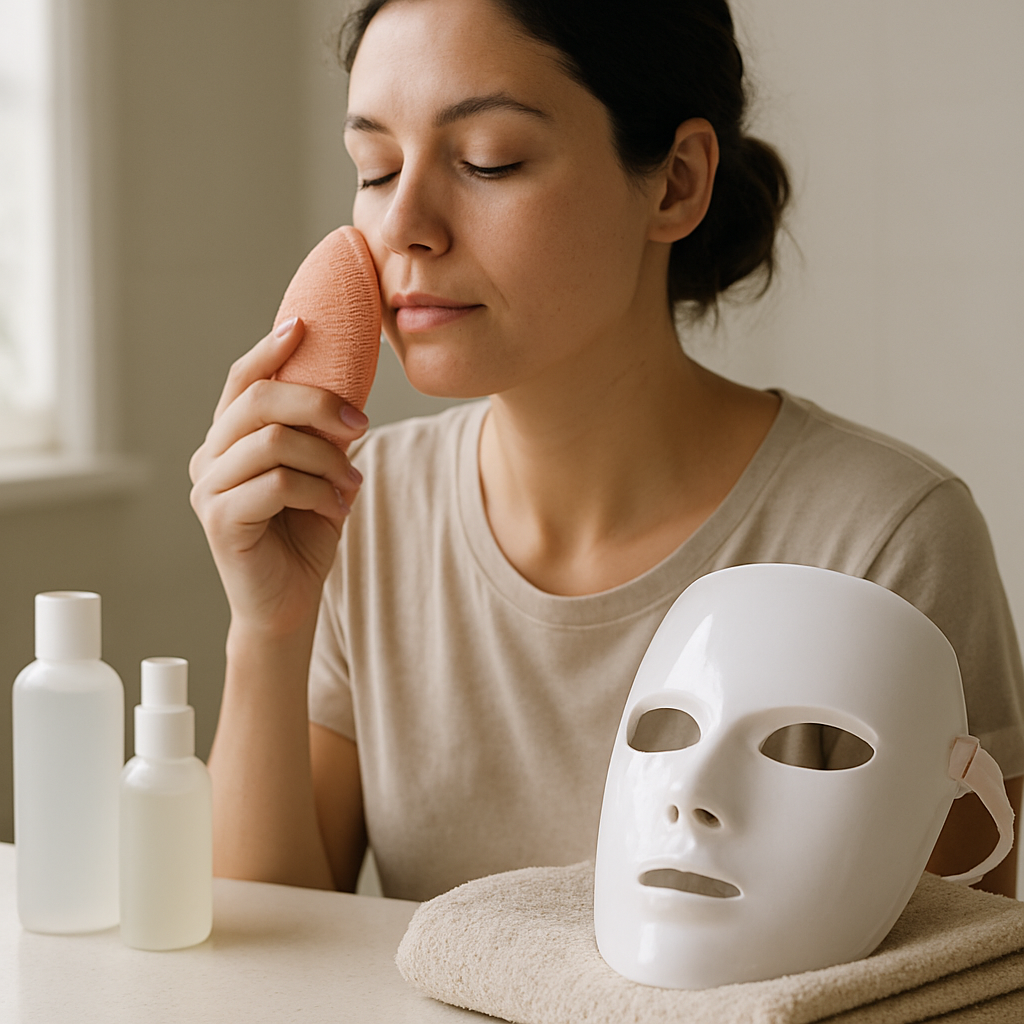
LED masks: the technical favourite. Red and near-infrared light devices are marketed for skin appearance and signs of ageing, while blue-light devices are aimed at acne-prone skin. Some research supports certain light-based treatments, but results depend on factors such as wavelength, dose, fit and regular use. An at-home mask isn’t equivalent to a clinic treatment just because both use LEDs. Among skincare devices, LED masks are worth considering only when their purpose matches your needs.
To judge value, check whether the manufacturer clearly explains the device’s purpose and provides practical instructions. An uncomfortable, poorly fitting or hard-to-clean mask is unlikely to become a regular part of your routine. LED masks may suit patient users, but they aren’t a universal solution.
Microcurrent tools: the high-maintenance contender. These devices send a low electrical current through the skin and are usually marketed as a way to create a temporarily lifted or toned appearance. Evidence for lasting results from home use is less settled than many product pages suggest. Any visible effect may be subtle, and regular use is essential. As skincare devices go, microcurrent tools call for realistic expectations.
There may be ongoing costs, too: some tools require conductive gel or another compatible product. If you dislike the sensation, forget to use the device or find the technique fiddly, the purchase price alone won’t tell you whether it’s good value. Microcurrent tools are best suited to people who expect modest results and are willing to maintain a routine.
Cleansing brushes: the simple but situational option. A facial cleansing device can make washing feel more thorough, but more force isn’t always better. A gentle cleanser and clean hands may be enough; frequent brushing or harsh pressure can irritate sensitive skin. A cleansing device is an accessory, not a necessity. This is an important limitation to weigh when comparing skincare devices.
A basic cleansing tool may be easy to use, but factor in replacement heads, charging and cleaning. Your skin and habits matter, too. If you’re prone to irritation, skipping the brush may be the better-value choice.
Key factors
Evidence before spectacle. Beauty technology often borrows the language of clinical care, but a sleek design and technical specifications don’t prove a device works. Look for a clear purpose, realistic claims and instructions that explain how often and how long to use it. Be wary of skincare devices that promise to address several unrelated problems, including a range of skin concerns.
Distinguish temporary cosmetic effects from lasting changes. A device may make your skin look or feel different in the short term without changing the underlying condition. This matters when comparing a gadget with established skincare advice or professional treatment.
Safety is part of the price. Device safety starts with reading warnings and usage limits, and considering whether the product suits your skin and medical circumstances. Light-based products require particular care: follow the manufacturer’s instructions on eye protection. If you have an eye condition, photosensitivity or take medication that increases light sensitivity, seek professional advice before use. For skincare devices, clear safety guidance should be part of the buying decision. Before purchasing skincare devices, make sure those instructions are easy to find and understand.
Don’t use a device on broken or irritated skin unless the instructions say it’s safe. Stop if it causes persistent pain, pronounced redness or another concerning reaction. A bargain isn’t worthwhile if it encourages overuse or delays care for a condition that needs a clinician.
Count the running costs. Compare the total cost of ownership, not just the price at checkout. Replacement parts, gels, batteries and warranties can change the calculation, and a short lifespan can wipe out any savings. A simple product with no consumables may be better value than a discounted device that needs regular add-ons.
Routine beats novelty. Even the best device is useless if it stays in a drawer. Before buying, consider how much extra time you can spare and whether the steps are comfortable enough to repeat. If a device complicates your routine without a clear benefit, it’s probably not worth buying.
Match the device to your needs
Imagine three buyers with the same budget. One wants a more consistent cleanse, another is interested in light therapy for a specific concern, and the third hopes for a dramatic lift from a handheld tool. They aren’t choosing between interchangeable gadgets; they have different goals. The most suitable skincare device depends on the need each buyer wants to address.
The first buyer could start by improving their cleanser and technique before adding a brush. If irritation is a concern, a gentle routine is a better bet than extra friction. A cleansing device makes sense only if it solves a problem the current routine doesn’t.
The second buyer should compare LED devices, check the evidence and safety information, and decide whether regular sessions are realistic. If the claims are vague or the instructions unclear, the price is beside the point. An informed choice is better than chasing a quick result.
The third buyer should reset their expectations. Microcurrent may suit someone who wants a subtle, temporary effect and is willing to use the device regularly. It’s a poor choice for anyone expecting a lasting transformation. Here, having a realistic goal matters more than the device’s features.
In all three cases, the right device should meet a specific need without replacing the basics: gentle cleansing, moisturising and sun protection. No gadget can make up for a routine that’s inconsistent or unsuitable.
Conclusion
Affordable skincare devices can be worthwhile, but a low price doesn’t guarantee results. LED masks may suit patient users with a specific goal. Microcurrent tools require realistic expectations and regular upkeep. Cleansing gadgets are optional and may irritate sensitive skin.
Consider the evidence, safety, total cost and likelihood that you’ll use the device regularly. Buy for a clear purpose, not for novelty. The best beauty gadget is one that fits your routine and delivers what it promises. Compare skincare devices by their practical value, not just their features or price.