
Best Wireless Earbuds for Calls, Commutes, and Exercise
Introduction
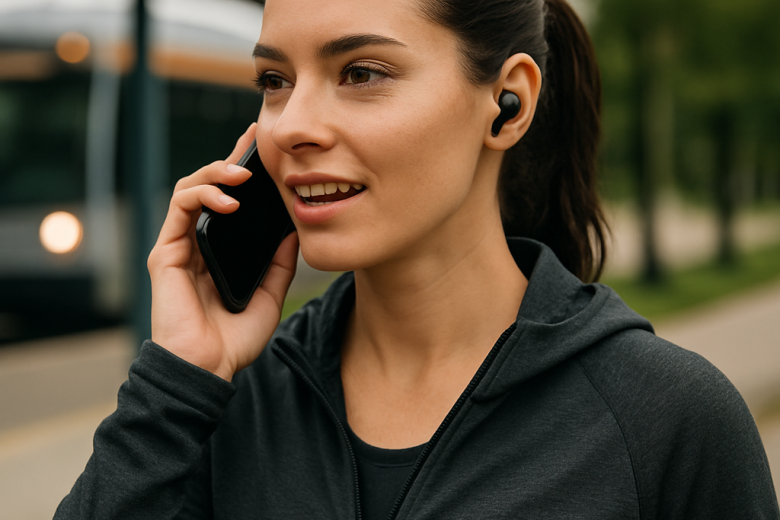
Wireless earbuds often have to do several jobs in one day: handle a call on a busy street, block out the train, then stay put during a run or gym session. The best pairs manage these shifts without a major weakness in any one area.
Sound quality alone doesn’t make a winner. Commuters need effective noise cancellation, callers need capable microphones, and anyone exercising should consider comfort, stability and water resistance. For wireless earbuds, the right balance depends on how you plan to use them.
No single pair suits every ear, phone or routine. A closer look at options such as Apple AirPods Pro 2, Sony WF-1000XM5, Bose QuietComfort Ultra Earbuds and Beats Fit Pro reveals what each does well—and what to check before buying.
The contenders: different roles, different strengths
Apple AirPods Pro 2 are a natural all-rounder for iPhone users. Easy pairing, effective transparency mode and smooth integration make it simple to switch between music, calls and awareness of your surroundings. These wireless earbuds are less appealing as a platform-neutral choice, since some convenient features are limited to Apple devices.
Sony WF-1000XM5 put more emphasis on sound and customisation. Their app offers useful adjustments, and their noise cancellation makes them a strong option for commuting. Fit is crucial, though: a good seal affects both sound and isolation. You may need to try different tips, and these wireless earbuds may not suit every ear.
Bose QuietComfort Ultra Earbuds are worth considering if noise isolation is your priority. Their cancellation can make a loud journey more manageable, but their larger feel may not suit everyone for long periods or during exercise. If you’ll wear these wireless earbuds at a desk and for workouts, check that they stay secure when you move.
Beats Fit Pro are designed with exercise in mind. Their small stabilising wings help keep them in place, though some people may find the shape less comfortable over a full day. They’re a good fit for listeners who value stability and prefer a sport-focused design in their wireless earbuds.
These models aren’t interchangeable, and features can vary between generations. Rather than asking which brand is best overall, consider which pair suits your phone, ears and most demanding daily task.
Key factors
Start with comfort and fit. When choosing wireless earbuds, a good seal improves bass and passive isolation, but pressure, irritation or constant readjustment can make even excellent earbuds frustrating. Try different tip sizes and wear the buds for a while before judging the fit.
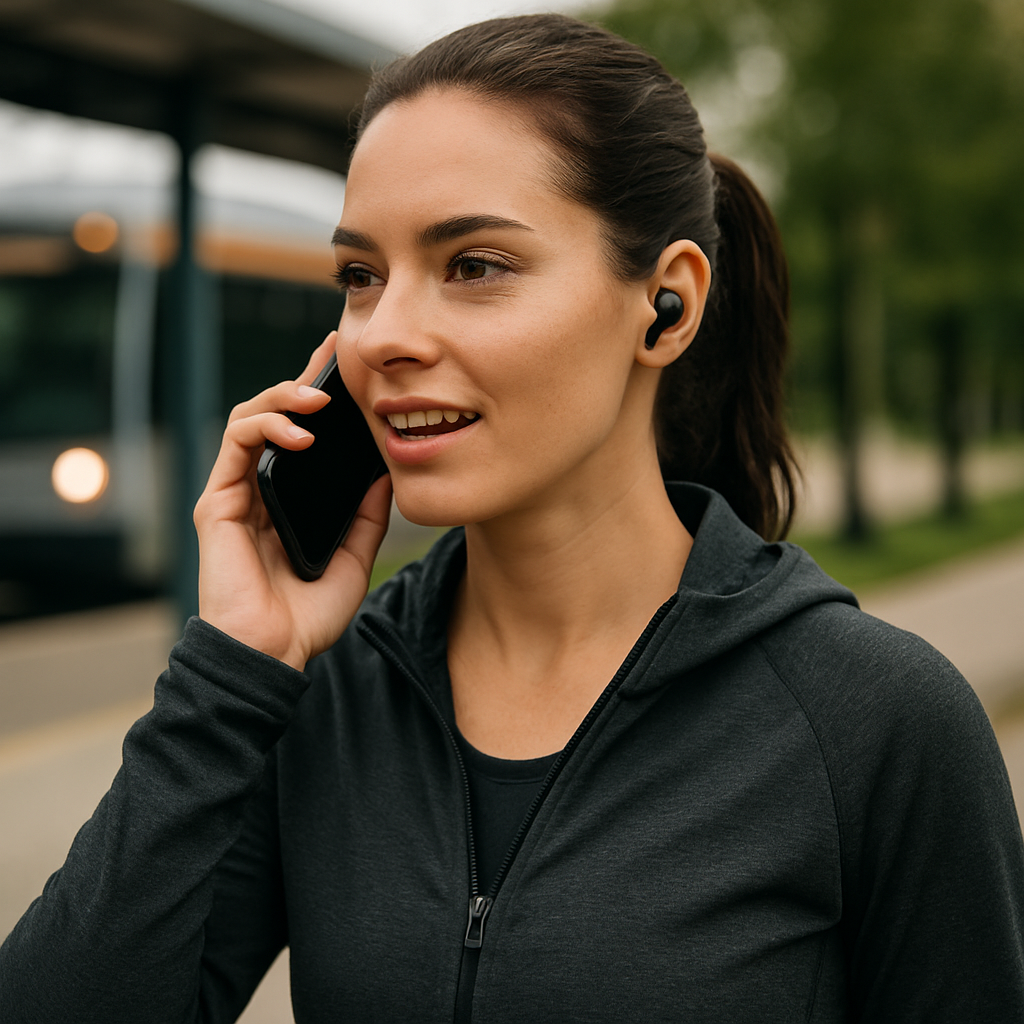
Call quality matters most when conditions are less than ideal. Wind, traffic and nearby voices can challenge microphones and noise processing. Look for wireless earbuds that keep speech clear without making it sound unnaturally clipped. If calls are a priority, test them outdoors or in another noisy setting when possible.
Noise cancellation can reduce the steady rumble of trains and planes, but it doesn’t replace awareness of your surroundings. Transparency or ambient modes help with conversations and street crossings. Their naturalness and ease of switching vary by model. Physical controls may be useful if touch surfaces are awkward with gloves or on the move.
Think about battery life across a full day, not just the advertised figure. Noise cancellation, call time and listening volume all affect how long a charge lasts. The case also matters: consider whether it can recharge the buds between uses, especially if your routine includes long calls or travel without easy access to power.
For exercise, check the water-resistance rating for the exact model. Ratings vary and don’t mean the earbuds are waterproof or suitable for swimming. Also consider how easy they are to clean and whether the case needs protection.
Bluetooth stability and device compatibility can make a big difference in everyday use. Multipoint connection is useful if you switch between a laptop and phone, while ecosystem-specific features may suit some users better. Check the controls and app support as well as the sound.
The match scenario: one pair, three tests
Picture a weekday that starts on a crowded train, includes a video call from a shared office and ends with a run. On the train, isolation and a comfortable seal matter most. At work, clear calls and quick access to transparency take priority. The run tests whether the buds stay in place and offer suitable sweat protection.
An iPhone user may find the AirPods Pro 2 the most balanced choice. Frequent travellers who value isolation may prefer Bose, while listeners who want more control over sound may lean toward Sony. For a workout-focused routine, the Beats Fit Pro’s stabilising design may be worth the trade-offs.
Transitions between activities often reveal more than any single test. Buds that seal well on the train but cause soreness at work, or stay put on a run but make calls difficult, won’t work well all day. Choose for the weakest part of your routine, not just the feature that looks most impressive.
Conclusion
The best wireless earbuds are the ones whose trade-offs suit you. Apple offers a polished option for its ecosystem, Sony focuses on sound and adjustment, Bose on isolation, and Beats on a secure fit for exercise.
Before choosing, consider comfort, call quality, noise cancellation, battery life, water resistance and Bluetooth performance in the context of how you’ll use the buds. Sound matters, but a pair that stays comfortable, connected and dependable through calls, commutes and workouts makes the stronger all-rounder.