
Introduction
A login is the opening whistle, not proof that every account action should proceed unchecked. At the Rajbet Login stage, a user may gain access while some features still require further verification. This distinction is common across digital services: access and authority are not always the same thing.
Extra checks are not just friction. They help manage risk when the stakes change. Viewing an account, updating key details and requesting a transaction can have different consequences, so a platform may ask for more evidence before allowing certain actions.
No specific teams, players, events or account rules are identified here, so the discussion focuses on general principles. The question is not whether every extra check is justified, but what it is meant to establish and whether it is applied proportionately.
Analysis: The account holder and the platform
Think of the account holder as a player admitted to the field, and the platform as the official making sure the right person is taking part. A correct password shows that someone knows the credentials, but it may not prove they own the account or that a sensitive request is genuinely theirs.
Credentials can be exposed, reused or entered on a device others can access. So, when a request carries more risk than an ordinary sign-in, a verification prompt can provide a second line of defence. It checks the action; it does not necessarily accuse the user.
Both sides have responsibilities. A platform needs to make unauthorised access harder, while users need a clear process that does not turn routine activity into a series of unexplained hurdles. Too little scrutiny can leave accounts exposed; too much can make legitimate activity feel arbitrary. Either can damage trust.
Key factors
The first factor is how sensitive the feature is. Changing a password or contact details, or accessing account controls, can affect future access and recovery. A platform may ask for extra confirmation to prevent someone with temporary access from taking over the account.
Transactions may require more attention than browsing because an error or unauthorised request can have a direct financial impact. That does not mean every transaction triggers the same process. Verification requirements can depend on the feature, account history and platform settings.
A second factor is whether the request fits the account’s usual pattern. A sign-in from a new device, a change in location signals or a series of unusual attempts may prompt the service to seek confirmation. These signals are imperfect: travel, a new phone or a different connection can look unusual without indicating misuse. The aim is to identify uncertainty, not to treat every variation as proof of wrongdoing.
Third is the quality of the information on file. If account details are incomplete, inconsistent or difficult to confirm, a platform may require another step before enabling a feature. Verification can help match a request to the person who opened or controls the account, but the exact documents or methods depend on the platform’s guidance.
The design of the check also matters. A clear prompt should explain which action is paused and what confirmation is needed, without asking for more information than necessary. Vague messages leave users guessing; clear ones explain the pause, even when it is inconvenient.
Scenario: When the game changes
Imagine a user signing in on a familiar device and checking an account. The session proceeds normally because the request is low-impact and the available signals are consistent. Later, the user tries to change a recovery detail or make a transaction, and the service asks for another confirmation.
The interruption may seem inconsistent: the password worked moments ago, so why is it not enough now? Authentication is not always a single gate. A platform can accept that someone is signed in while asking for stronger evidence before an action that could affect account control or finances.
Now suppose the request comes from a device the system has not seen before, or the account details do not match the information on file. This could increase uncertainty and prompt a check. It is only a scenario, not a confirmed Rajbet rule. Without platform-specific information, no precise trigger or outcome should be presented as fact.
A well-designed process would explain the next step, offer a reasonable way to complete it and say what happens if verification fails or cannot be completed. A poor one would leave the user without a meaningful explanation or a way to resolve a legitimate problem. The difference lies not in whether a check exists, but in whether it is proportionate and transparent.
Conclusion
Additional verification means a higher level of scrutiny; it does not automatically mean an account has been flagged or compromised. Login confirms one part of the picture, while sensitive changes and transactions may require a separate signal that the request is authorised.
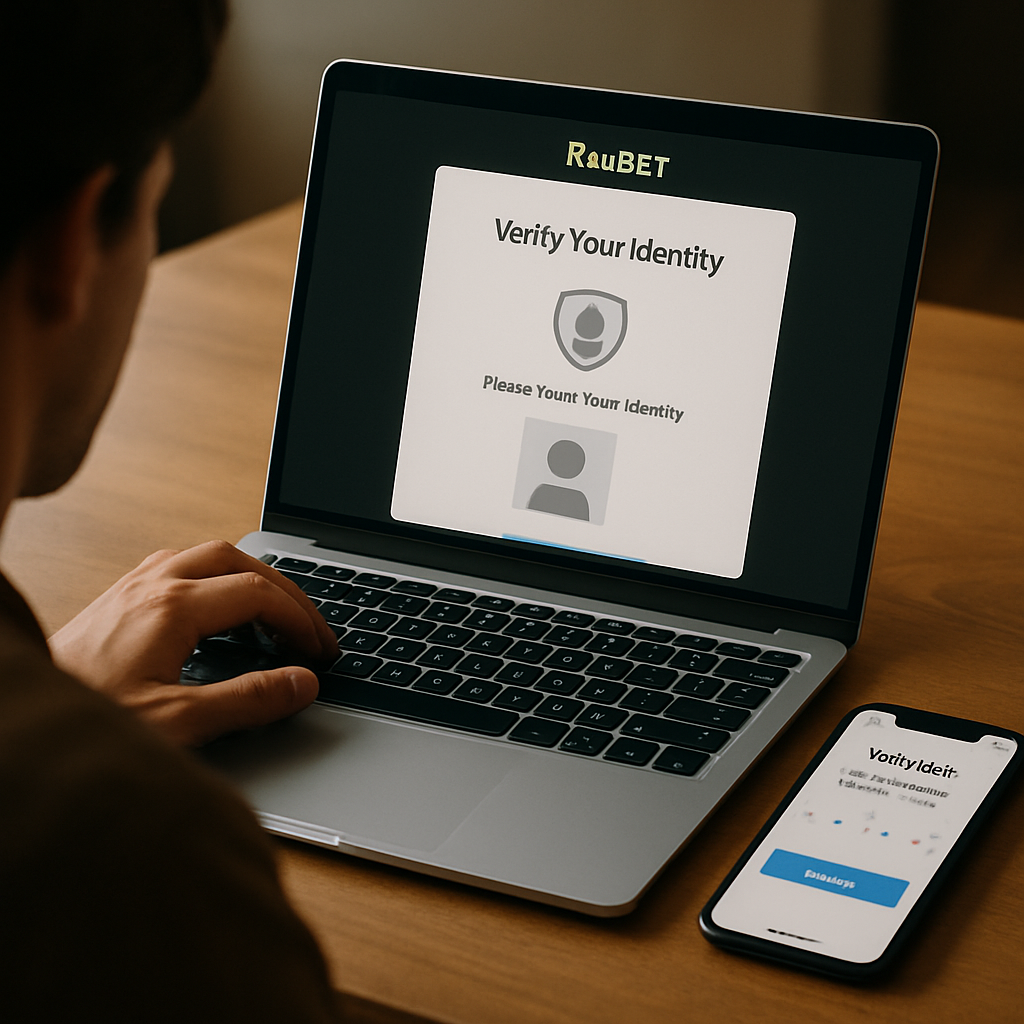
Users should be able to understand why an action is paused, see that the requested information is relevant and complete the process without a legitimate but unusual action being mistaken for an unauthorised one. Platforms, in turn, need to protect accounts without creating needless obstacles. The goal is not to choose between security and convenience, but to balance them credibly.