
Rajbet: How Are Casino Games Organized into Categories?
Introduction
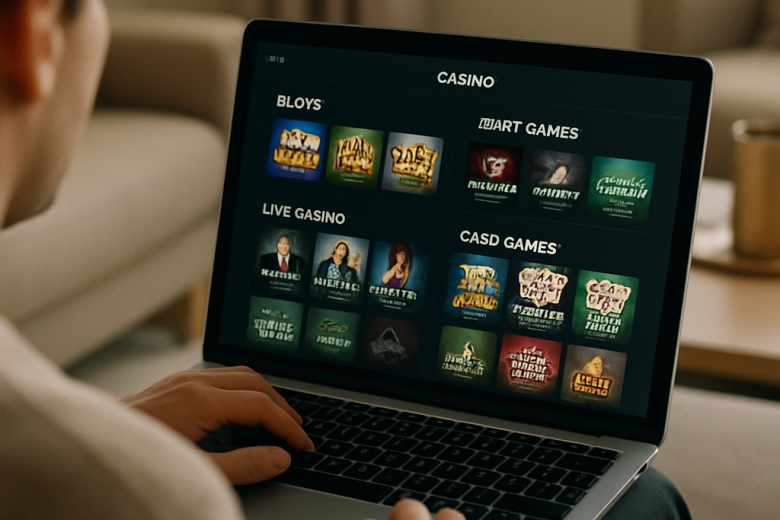
A casino lobby can feel overwhelming, with rows of titles, unfamiliar studios and filters meant to make choosing easier. On Rajbet, as in any online casino, it helps to look beyond the list of games and understand how they’re grouped—and what those labels tell you before you play.
Categories organize the lobby by format, rules, pace and presentation. They help players distinguish a slot from a card table or a live-dealer game without opening every title.
But categories are only a guide. A label can make a game seem familiar, fast or unusual, while masking differences between titles in the same group. It’s worth looking beyond the category name.
Analysis of the categories
Most lobbies divide games into slots, table games, live casino and specialty or game-show formats. These categories describe how a game works, not what its outcome will be.
Slots use reels, symbols and bonus features. Their themes and mechanics vary, but the basic format is usually simple: set a stake, start a round and let the game’s system determine the result.
There can still be major differences between slots. A classic three-reel game, a multi-reel video slot and a feature-heavy title may share a category but differ in design, volatility and bonus structure. The label is a starting point, not a complete description.
Table games follow more familiar rules. Blackjack, roulette, baccarat and poker variants are often grouped together, but they differ in pace and player choices. Blackjack involves decisions during a hand; roulette focuses on bets placed before a spin; baccarat offers comparatively few decisions.
Live casino games combine familiar table rules with a streamed dealer and real-time play. This changes the way the game is presented, not the likelihood of a particular result. Connection quality, table limits and pace can all affect the experience.
Some lobbies have a separate section for game shows and specialty titles. These games add hosts, rounds or bonus stages to chance-based mechanics. The presentation may be more theatrical than at a conventional table, but the rules still determine how each round works.
Key factors
Pace is one way to compare categories. A slot round may start and end quickly, while a live table game can involve several decisions or a streamed sequence. Faster play can make it easier to lose track of time, so pace matters beyond appearance.
Rules matter too. Games with the same familiar name may still differ in the number of decks, available bets or bonus rules. Check each game’s information panel for details that affect how a round is played.
Presentation also shapes expectations. Artwork, sound and interface design can make a game feel calm, dramatic or fast-moving, but they don’t reveal its mathematical design. A polished theme alone says little about how often wins occur or how large payouts may be.
Game information may include return-to-player figures, volatility descriptions and paytables. What’s available varies by game and platform. These details don’t predict the outcome of a short session; they describe aspects of the game’s design and should be considered alongside its rules.
Categories help players navigate the lobby; they don’t rank games. A prominent position or a “popular” label doesn’t mean a game is right for a particular player. Filters can narrow the options, but they can’t replace checking the rules, limits and game information.
Match scenario
Imagine a player opening the lobby without a specific game in mind. The first question isn’t which game will produce a favourable result, but which format they want to explore. Someone looking for familiar rules might start with table games, while a player interested in a streamed dealer might browse the live casino section.
Next, they can compare titles by checking the instructions, minimum and maximum stakes, round structure and special features. The category sets the scene; the game details explain how play works.
Even similar-looking games can offer different experiences. One may move quickly, while another involves more decisions or bonus stages. The useful comparison is about format and rules—not an assumption that one game is more likely to produce a particular result.
Slots, table games and live casino titles each shape the playing experience differently, but all involve risk. A well-organized lobby can make the options easier to navigate; it can’t remove uncertainty.
Conclusion
Casino games are usually grouped by format: slots, table games, live-dealer titles and specialty or game-show experiences. These categories provide a quick overview, while each game’s rules, pace, presentation and information reveal the details that matter.

A category tells players where a game belongs—not whether it’s the right choice, how it will perform or what the next round will bring. It’s a useful starting point, but the individual game provides the full picture.