
Why Repairable Gadgets Are Gaining Popularity With Cost-Conscious Shoppers
Introduction
For years, the usual response to a cracked screen, a weakening battery or a sluggish device has been to buy a new one. For shoppers on a budget, that approach is losing its appeal. The question is no longer just what a gadget costs upfront, but how much it will cost to keep it working.
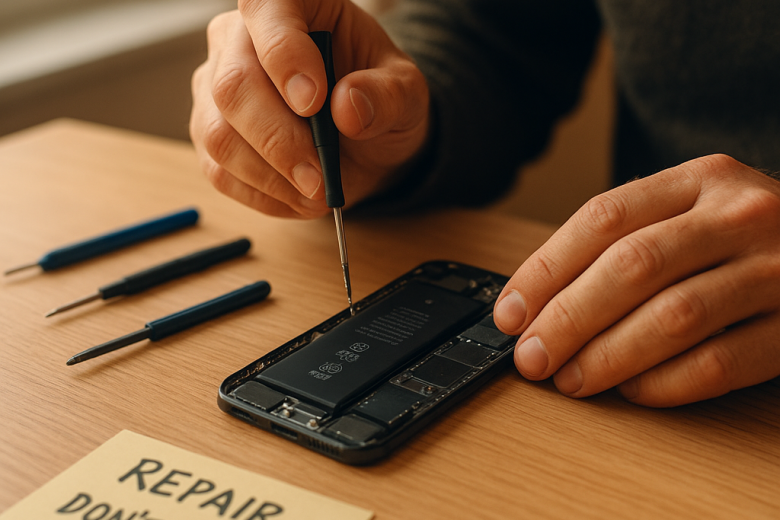
That helps explain the growing interest in repairable gadgets. A device designed to be opened, diagnosed and fixed gives owners an alternative to living with a fault or replacing the whole product. The appeal is practical: spend less over time, avoid an unnecessary purchase and keep a useful device in service.
Repair does not always beat replacement. Buyers still care about performance, convenience and design, while manufacturers must balance ease of repair with size, durability and production costs. But product longevity is increasingly part of a gadget’s value, not just an added bonus. Repairable gadgets can make that longevity easier to achieve.
What shoppers, manufacturers and repairers bring to the issue
Shoppers are driving the shift. Two devices may offer similar features, but one can be a better value if it has a replaceable battery, accessible fasteners and readily available parts. For budget-conscious buyers, these details may matter more than a slightly better camera or a thinner frame. Repairable gadgets give shoppers more control over how long their purchase stays useful.
Manufacturers take different approaches. Some make repairs straightforward by publishing instructions and supplying replacement parts. Others rely on tightly integrated components, specialist tools or brand-controlled service channels. That can help create compact designs, but may leave owners with fewer options when something breaks. Companies that invest in repairable gadgets can distinguish their products through easier maintenance and longer service life.
Independent repair shops and skilled hobbyists can turn a repairable design into a practical service. But they need access to parts, diagnostic software and repair information. If these are unavailable—or if the repair costs nearly as much as a new device—repairability offers little benefit. It depends on a wider support system, not just a feature listed on the box. Repairable gadgets are most useful when that system is in place.
The policy debate is part of the picture, too. The right to repair movement focuses on whether owners and independent technicians can get the parts, tools and information they need to fix products. It does not guarantee that repairs will be cheap, but it puts access and consumer choice at the centre of the discussion.
Key factors
The first is the total cost of ownership. A low purchase price can be misleading if a routine fault means replacing the whole device. A more expensive model may prove cheaper over time if its battery, screen or storage can be replaced at a reasonable cost. Shoppers are increasingly weighing the cost of keeping a product, not just its price at checkout. That calculation often makes repairable gadgets an appealing option.
Repair costs matter because they can outweigh good intentions. Labour, shipping, diagnostic fees and parts all add up. If the bill gets too high, consumers may replace a device even when repair is possible. Clear pricing and readily available parts make repairability a more credible way to save money.
Convenience matters, too. A repair that requires specialist skills, leaves someone without a device for weeks or depends on a hard-to-find part may not suit people who rely on a phone or laptop every day. Repairable gadgets have an advantage when common fixes are simple, instructions are clear and local service is available.
Durability is another consideration. Modular construction can make worn parts easier to replace, but the device still needs to withstand everyday use. Easy access to components is of little value if the product feels fragile or needs frequent repairs. The best designs combine durability with a practical way to fix common faults.
Software support also affects how long a device remains useful. Hardware may still work, but the product can become less practical when updates stop, apps run poorly or security risks build up. Longevity depends both on replaceable parts and on the manufacturer’s continued support.
Environmental concerns add to the appeal, though they are rarely the only reason to repair. The case is stronger when reducing waste also saves money and avoids the hassle of replacing a device. Repair is most attractive when a product remains useful, reliable and affordable to maintain. For many shoppers, choosing repairable gadgets is also part of sustainable shopping.
Trust matters as well. Buyers want to know that parts will remain available, warranties will be honoured and repair guidance will be accurate. Without that confidence, claims about repairability can sound like marketing rather than a lasting commitment.
How repairability affects the next purchase
Imagine a shopper choosing between two mid-priced devices. One is slightly cheaper but sealed; the other costs more upfront and has a replaceable battery and accessible parts. The choice depends on more than the feature list. It comes down to how long the shopper plans to keep the device, how likely repairs are and whether the cost would be manageable. These considerations are shaping consumer trends around repairable gadgets.
For someone who upgrades often, the sealed model may still be more appealing because of its lower price or convenience. But for someone who keeps a device until its battery fades or its screen breaks, the repairable option may offer better value. Buyers are increasingly considering what happens after the first fault, not just how a device performs on day one.
Manufacturers face a similar choice. Making parts and instructions accessible may mean giving up some control over repairs, but it can build trust with customers who do not want to be pushed into replacing a device. A closed repair system may protect a company’s service model, but it can also make ownership feel costly and restrictive.
Repairability is unlikely to become essential for every gadget, and not every buyer will want to fix a device themselves. More likely, it will become one factor among many, alongside battery life, software support and warranty terms. As shoppers put more emphasis on value than novelty, companies that make ownership costs clear may have an advantage over those focused mainly on the next upgrade.
Conclusion
Repairable gadgets are gaining popularity because they address a straightforward concern: shoppers want more control over what they spend after buying a device. Accessible parts, clear repair costs and reliable support can help turn a short-term expense into a longer-lasting purchase. Repairability matters most when a fix is practical, not just possible in theory.
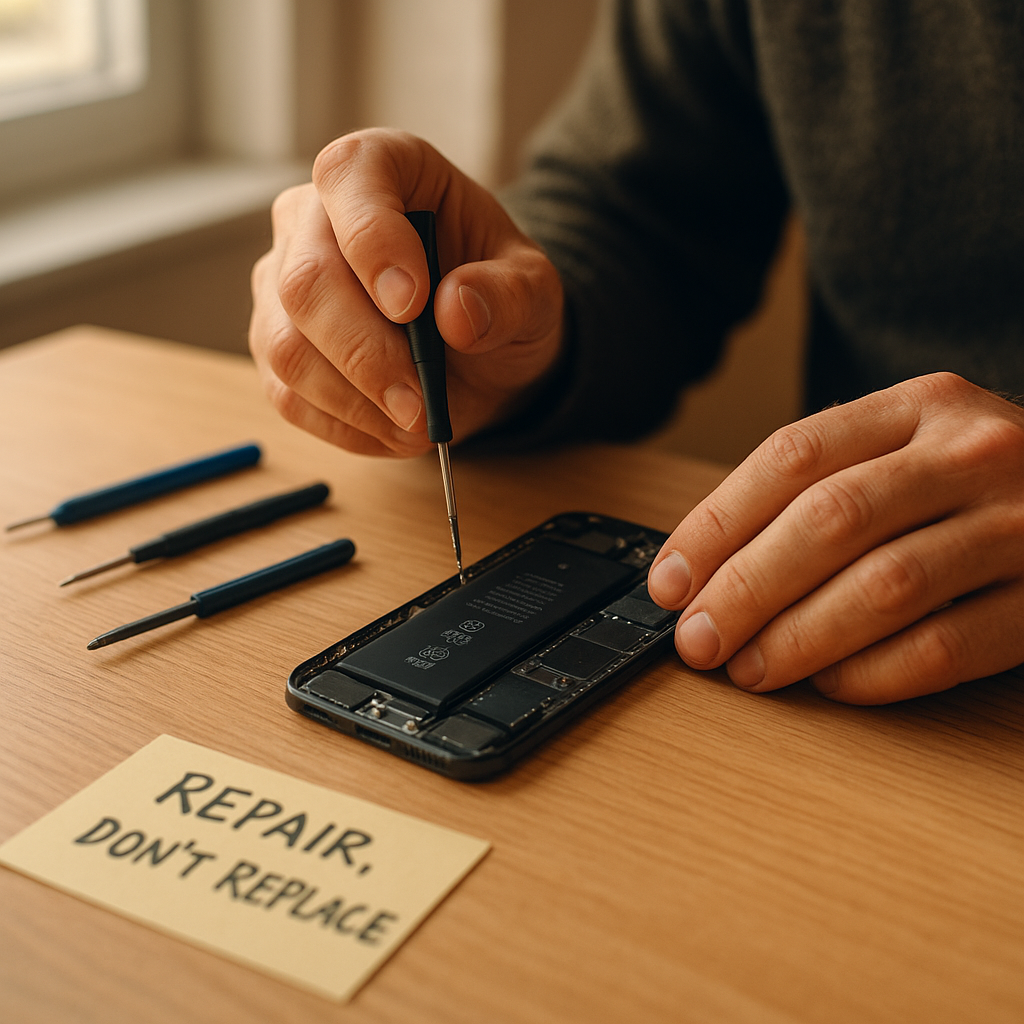
For manufacturers, the challenge is to make repairs a normal part of ownership without sacrificing quality or convenience. For buyers, the better comparison is not just price versus features, but price versus how long the product is likely to last. In a tighter market, a gadget that can be fixed may make a stronger case for its value.