
Choosing a Convertible Car Seat: Safety Features, Fit, and Long-Term Value
Introduction
A convertible car seat needs to protect a small child now and accommodate their growth over time. It also has to work reliably in the family’s vehicle. The best choice isn’t necessarily the model with the longest list of features; it’s the one that fits the child and car and can be installed correctly on every trip. When comparing convertible car seats, prioritize a secure fit and clear instructions over extras.
Choosing a seat means considering more than the product itself. The child’s proportions, the vehicle’s layout, the caregiver’s routine and the manufacturer’s instructions all matter. In child passenger safety, these factors work together. These considerations are especially important when selecting convertible car seats for everyday use.
The three-way contest: child, seat and vehicle
Convertible car seats generally allow children to ride rear-facing and later forward-facing, within the seat’s limits and in accordance with local rules. Make the transition based on the child’s fit and the seat’s instructions, not age alone. Rear-facing seats support a child’s head, neck and spine differently in a crash, so many safety authorities advise keeping children rear-facing for as long as their seat allows. Compare convertible car seats by how well they support this extended rear-facing use.
First, check that the child fits the seat as intended. Review its minimum and maximum limits, harness and buckle positions, and how the child’s head sits in relation to the shell. A child may be under the weight limit but too tall for the seat, or reach the height limit while still below the weight maximum. Both measurements matter. For convertible car seats, check the stated height limits and weight limits for each mode.
Children grow at different rates, so population averages cannot predict an individual child’s development. Research on long-term trends in adult human height provides context on changes in human stature, but it cannot forecast a child’s size or replace the seat’s fit rules. Check the child in the specific seat and follow its manual. This is true for all convertible car seats, even those with broad advertised ranges.
Next, consider the vehicle. A seat may meet its listed dimensions but still sit awkwardly against a sloping backrest, leave too little room for a front passenger or be hard to secure in a particular position. Compatibility matters because it affects whether the seat can be installed correctly and used consistently. Check car compatibility for the specific seating position before choosing among convertible car seats.
Key factors
Start with the label and manual, not the feature list. Confirm that the seat is approved for use in your country, check its manufacture and expiry information, and review its permitted rear-facing and forward-facing configurations. Rules vary by jurisdiction, so legal minimums are not a universal safety standard. Apply these checks to any convertible car seats you’re considering.
Installation is the key practical test. Depending on the seat and vehicle, the approved method may use a seat belt or lower anchors, known as LATCH or ISOFIX in some markets. The manual explains which method to use, how to route and tighten the belt or connector, and how much movement is acceptable at the belt path. Don’t assume that using more attachment points is safer; some combinations aren’t approved. For convertible car seats, always follow the instructions for the exact vehicle and seating position.
If possible, try installing the seat in your vehicle before buying it. Check the angle indicator and access to the belt path, and make sure the seat stays secure after tightening. If one caregiver finds the seat consistently difficult to use, that can undermine the routine. A professional check may help, but it doesn’t replace the manufacturer’s instructions.
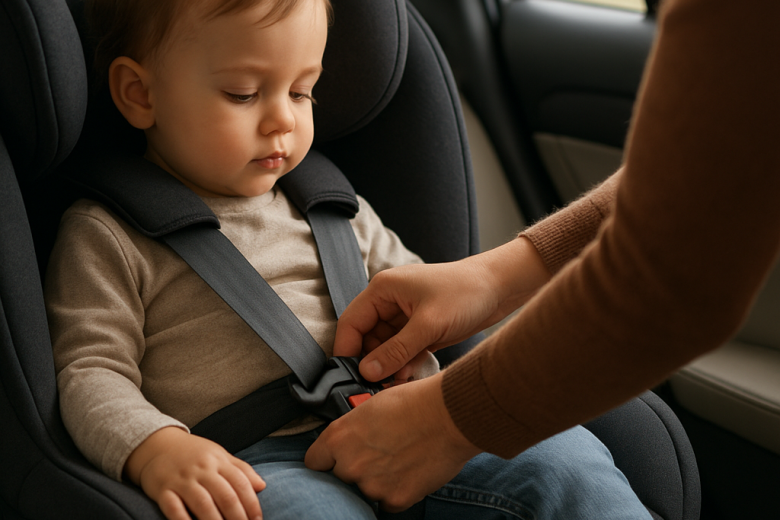
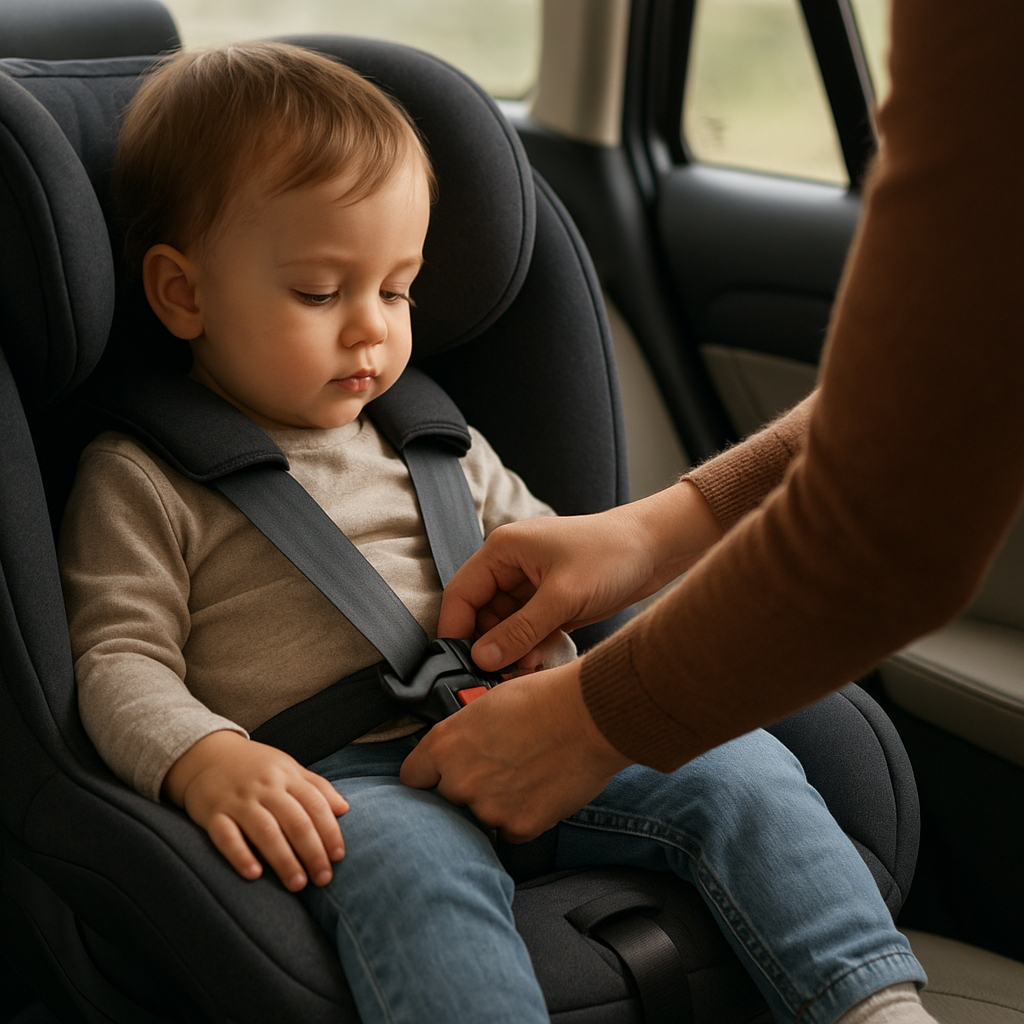
Harness fit matters too. The straps should lie flat without twists, and the chest clip should be positioned as the manual specifies. Bulky coats and unapproved padding can prevent a snug fit. Use only inserts and accessories supplied with or explicitly approved for the seat. Recheck the harness as the child grows.
Side-impact protection, energy-absorbing materials and adjustable headrests can be useful features, but their names don’t tell the whole story. Standards and testing methods vary, and no feature can make up for incorrect use. Compare the seat’s documented safety information and focus on the essentials: a suitable fit, an approved installation method, clear instructions and adjustments caregivers can make correctly.
Long-term value means more than dividing the purchase price by the years of use. A convertible seat may cover several stages, but use must stop when the child reaches any applicable height or weight limit, when the seat expires, or when its history is uncertain. Follow the manufacturer’s guidance after a crash. Avoid a second-hand seat if you can’t verify its crash history, age or completeness. When assessing convertible car seats, consider how long the child can safely use each mode.
Consider everyday logistics, too. A heavy seat moved between cars, a cramped back seat or several children sharing a row can affect what works. If more than one caregiver uses the seat, consistent installation and clear handover routines may matter more than an extra adjustment option. The best value comes from safe, regular use—not from years of use the family can’t manage comfortably.
Match scenario: the daily drive
Imagine a family choosing between a feature-rich seat with a broad stated range and a simpler model that fits the car better. The first may look better on paper, but if it crowds the front passenger or makes the belt path hard to reach, every trip becomes a hassle. The simpler seat may be the better choice, provided it meets the child’s needs and can be installed as directed.
Now imagine the child has a growth spurt. Before changing the seat’s orientation, check the child against its rear-facing instructions. When it’s time to switch to forward-facing, review those instructions as well. Age, or the fact that another child has moved on, doesn’t show that the seat has been outgrown. The manual sets the limits.
Finally, suppose the seat needs to go in a relative’s car. If that vehicle makes installation difficult or limits where the seat can go, the original choice may not work. A separate suitable seat, or a compatibility check before each change, may be more practical than assuming one model will fit every car.
Verdict
Choosing a convertible car seat comes down to fit, correct installation and realistic longevity. Safety features matter, but they’re part of a system: the child must fit the seat, the seat must fit the vehicle, and caregivers must be able to follow the instructions every time.
Prioritize the seat’s approved use, rear-facing capacity, fit in your car and ease of adjustment. Then weigh durability and price against how long the child is likely to use each mode. Don’t treat a long advertised lifespan as a promise. A well-matched seat used correctly is a better investment than a more elaborate one that doesn’t suit the family’s routine.