
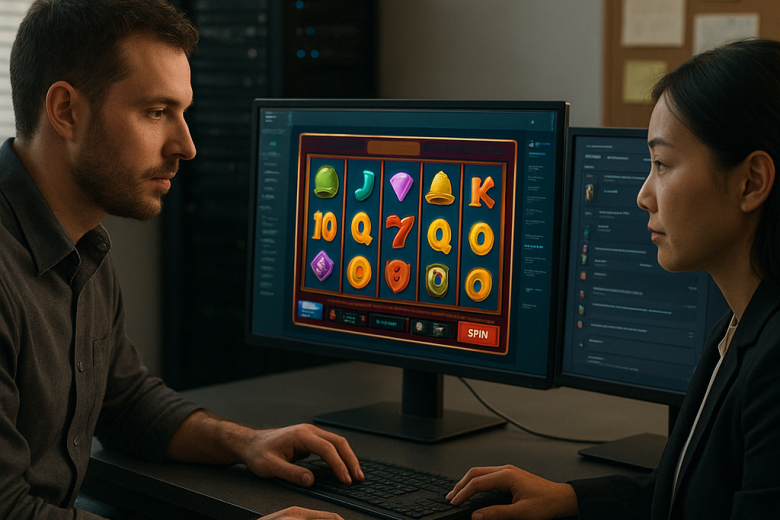
Who Handles What When a Game Studio and Casino Operator Are Different Businesses?
Introduction
A casino game may look like a single product, but it often involves two businesses with different roles. The studio designs and builds the game; the operator offers it to customers and runs the wider gambling service.
The difference matters when something goes wrong. A game may freeze, a payment may be delayed, or a player may question an outcome. Both businesses might be involved, but their responsibilities—and the authorities they answer to—are not necessarily the same.
In broad terms, the studio is responsible for designing, testing and maintaining its software. The operator is responsible for offering the casino service, treating customers fairly and complying with the rules in each market.
These are starting points, not universal legal conclusions. Licences, local regulations and commercial contracts can affect how responsibilities are divided, so the boundaries should be mapped rather than assumed.
Analysis of the Teams
The studio builds the playing experience. Its work typically includes game mathematics, rules, graphics, sound, software architecture and features such as bonus rounds. The studio should ensure the game works as specified and that the version it supplies matches the version reviewed and approved, where approval is required.
Testing and change control are part of this work. The studio may need to document how the game works, fix defects, secure its development systems and coordinate technical testing or certification. It should also notify partners of software changes that could affect performance or an approved version.
The studio does not usually decide whether a particular customer can access the game. Nor does it typically manage casino accounts, deposits, withdrawals or customer-service responses. But it may play a central role in complaints about the game’s rules, software or a suspected defect.
The operator owns the customer relationship. It chooses which games to offer, presents them on its website or app, manages accounts and handles the practical aspects of play. These commonly include age and identity checks, payments, account security, customer support and responsible-gambling measures, subject to the applicable rules.
The operator also controls how a game is presented: how it is described, where it appears and what information accompanies it. If that presentation is misleading, the studio’s role in creating the game does not transfer responsibility for the operator’s interface or communications.
The operator is often the player’s first point of contact. It does not have to diagnose every software issue itself, but it needs a clear process for referring technical questions and keeping the customer informed while the businesses investigate.
Neither team works in isolation. A platform provider, game aggregator, payment processor or testing laboratory may sit between the studio and operator. These suppliers can perform important tasks, but they do not erase the basic division of responsibility. Each party needs to know which decisions it controls and what evidence it must retain.
Key Factors
1. The licence and the market. Regulatory obligations depend on where the service is offered and which entity holds the relevant authorisation. A studio may have requirements related to supplying or maintaining approved software, while the operator may be responsible for the licensed gambling service and customer-facing controls. The precise allocation varies by jurisdiction.
A contract cannot necessarily remove a duty imposed by law. It can specify how the parties cooperate, who pays for particular work, what records they share and how they respond to regulators or customer complaints. A generic supplier agreement is no substitute for mapping responsibilities in each market.
2. Game integrity and evidence. The studio should be able to explain the game’s rules and provide relevant technical records when a result or feature is questioned. The operator should be able to identify the game version a customer used, preserve relevant account and session data, and direct the case to the right technical contact.
Neither party should draw firm conclusions before checking the evidence. A disputed outcome could result from a defect, a misunderstanding of the rules, a display issue or a wider interruption. A proper investigation distinguishes what happened in the game from what happened in the casino system.
3. Data and security. The operator generally handles the information needed to manage an account. The studio may receive limited technical or gameplay data to run and improve its product. The parties should define what they collect, why they share it, how they protect it and who must act if it is exposed or misused.
Security is an operational concern for both businesses, even when their legal roles differ. The studio must protect its software and development environment; the operator must secure its customer-facing service and account processes. Clear access controls and prompt incident notifications matter more than vague promises to cooperate.
4. Player protection and support. The operator is usually best placed to understand the wider customer context, including account activity and requests for help. The studio can contribute by making rules clear, avoiding confusing game behaviour and providing information that helps the operator explain how a feature works.
This distinction helps prevent two common problems: the operator treating a technical question as someone else’s responsibility, and the studio being asked to make decisions about an account it does not control. Escalation should be quick, while responsibility for communicating with the customer remains clear.
5. Commercial terms and change management. Revenue shares and distribution agreements may shape incentives, but they do not define every compliance duty. Contracts should also cover uptime, defect severity, maintenance windows, version approvals, incident notices and the process for withdrawing a game when necessary.
The Match Scenario
Imagine a player reports that a game round appears to have stopped after a feature was triggered. The balance shown in the casino account differs from what the player expected, and the game is no longer available on their device.
The operator should take the initial report, check the account and transaction history, preserve relevant logs and explain what it is investigating. It should not simply direct the player to the studio because that company built the game. The operator manages the account relationship and can provide a clear update.
The studio should examine the game records and confirm whether the round completed, whether the feature worked as intended and whether a known software issue could explain the display. If it finds a defect, it should tell the operator what was affected, what corrective action is planned and whether other sessions need review.
The businesses should compare records rather than rely on assumptions. The game log may show one sequence while the operator’s transaction system shows another; reconciling the two is a practical test of their technical integration. If the issue stems from an account, payment or interface problem, the operator may need to act even if the game software worked correctly.
The player needs a clear explanation, not a tour of the supply chain. The operator should communicate the outcome and handle any account-level remedy required by its rules and obligations. The studio should provide technical evidence and fix any game-side fault within its control.
Conclusion
The studio makes the game; the operator runs the gambling service in which it is played. Each has a primary area of responsibility, but neither can ignore problems that cross the boundary.
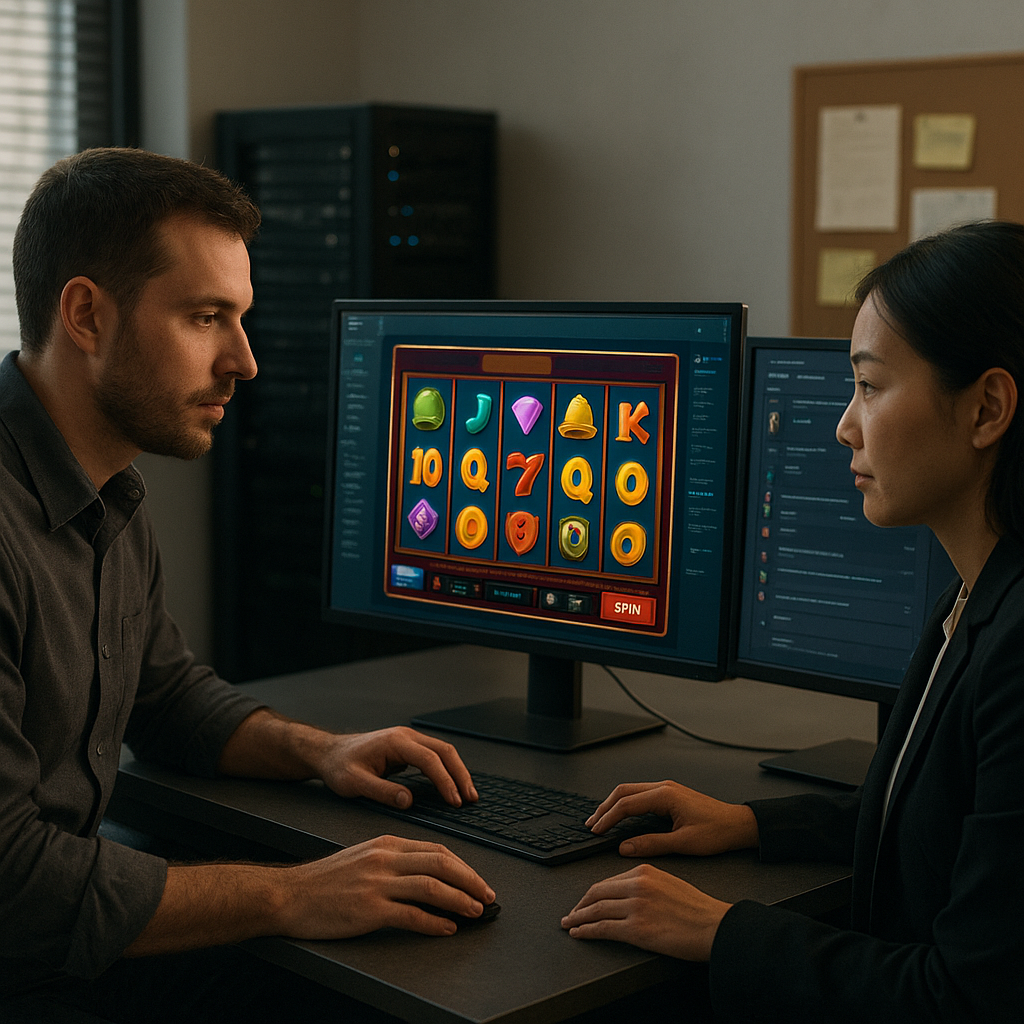
Good practice depends on clear ownership, reliable records and escalation routes agreed in advance. When responsibilities are clear, players do not have to work out which company built each part of the experience. The businesses can resolve the issue behind the scenes and remain accountable for the parts they control.